
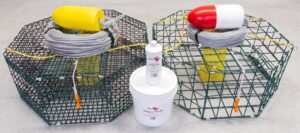
Crabbing in the Pacific Northwest requires durable equipment built to handle cold saltwater, fast currents, and heavy tides. Washington State offers incredible opportunities for harvesting multiple types of crab, but your success depends on using the right crabbing gear. Having durable pots, proper lines, and effective bait ensures your gear stays where you put it and successfully attracts your catch.
No matter where you are catching from, using high-quality crabbing gear can make a massive difference in your harvest. Selecting equipment that complies with local regulations while standing up to the harsh marine environment keeps you safe and productive on the water.
Table of Contents
1. Crab Pots Made For Washington Waters
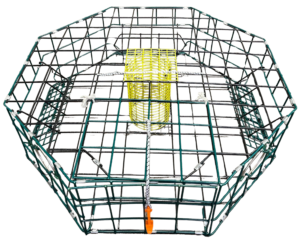
To harvest crab successfully in Washington waters, you need high-quality crab pots with added crab pot weights to hold the pot flat on the sea floor and resist strong tidal currents. Without proper weighting, crab pots can drift away or tumble in the tide, which loses your catch and can damage your equipment.
State law also requires traps to feature an escape route for marine life in case the pot is lost. This is typically done by using a biodegradable cord to hold the trap closed; if the gear is lost, the cord will rot and allow the marine life to escape. Some manufacturers have different ways of rigging up rot cord on their traps, so be sure to understand how to properly set up rot cord on your pot before dropping it in.
Our team assembles durable, commercial-grade crab pots in our Brinnon, WA manufacturing plant right off Highway 101. These pots are designed specifically for regional conditions. Utilizing these traps ensures your crab pots are compliant with local regulations and can hold up to local conditions.
2. Bait Boxes To Lure In Your Catch
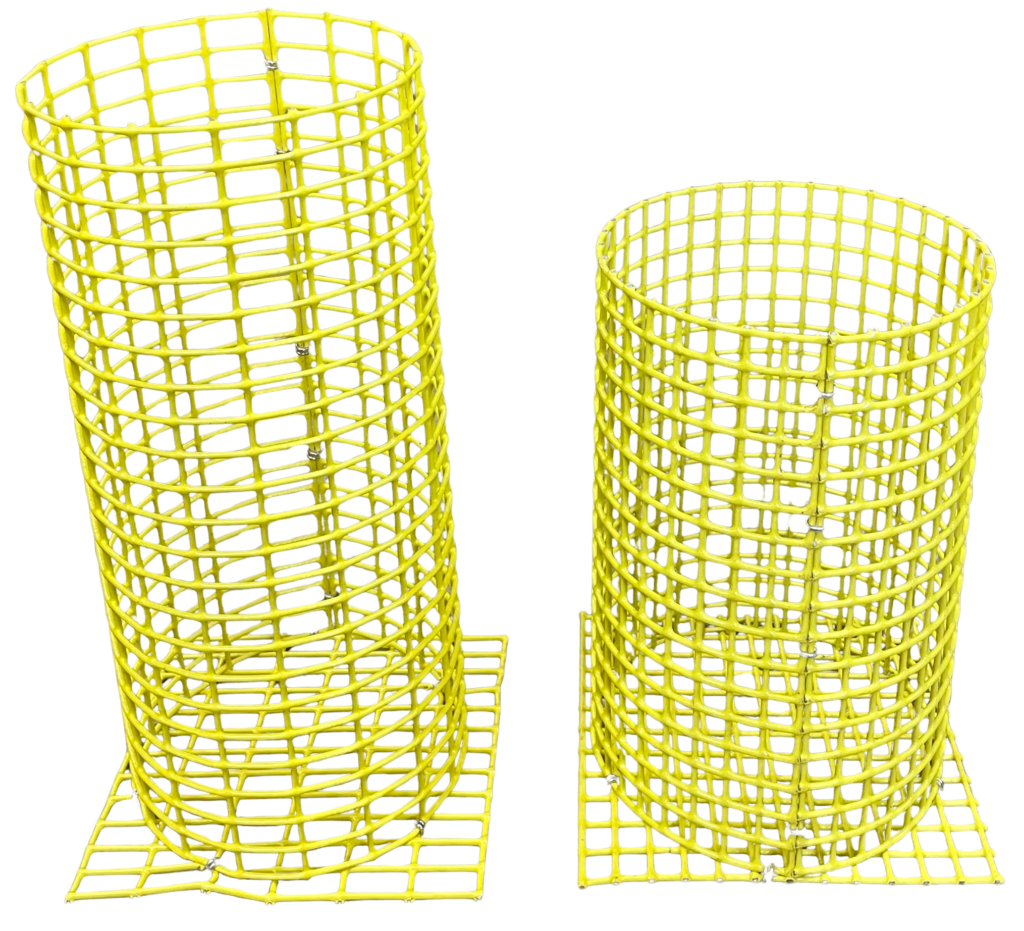
A dedicated bait cage keeps your attractant secure from seals, sea lions, and disruptive conditions, allowing your crabbing gear to fish effectively for hours. McKay shrimp and crab pots come with a built in bait cylinder/box which you can drop a bait bag or cup in, or you can place the bait straight into the cage. If you do not use a cage, crabs and pests can get to the bait quickly and ruin the scent trail before you can get a full catch. A rigid bait box or cylinder protects the bait, ensuring a steady scent trail is released over a long period.
3. Sinking Line Prevents Lost Equipment and Boating Accidents
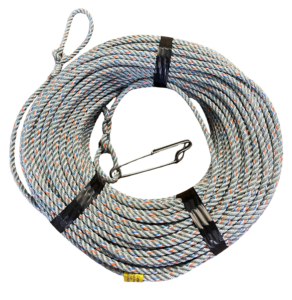
Sinking crab lead line is required by Washington state law because it stays submerged beneath the surface, preventing passing boat propellers from cutting your line or wrapping around your drive shaft. Floating rope creates a major hazard for other boaters on the water and frequently results in lost crabbing gear. Investing in a proper weighted line ensures your buoys stay attached to your pots.
Using premium shrimp & crab line ensures your crabbing gear handles the strain of deep-water pulling. Coiled, leaded line behaves well on deck and resists tangling during deployment. Matching your line length to your depth plus an extra one-third for scope keeps your buoys visible even when tides change.
4. Lead Weights Keep Your Pots Anchored in Heavy Tides
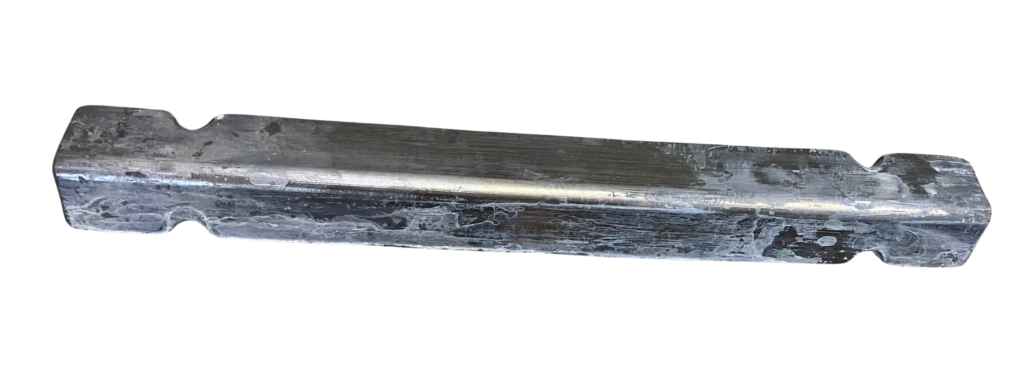
Adding lead weights to your crabbing gear prevents your traps from walking across the sea floor during extreme tidal changes. The Pacific Northwest can experience massive water movements, which can easily drag an unweighted pot into deep shipping lanes. Securely fastening weights keeps your gear anchored right in the best catching zones. We recommend adding even weight to each side of the pot to ensure it stays balanced on the seafloor.
Our shop supplies specialized weights designed to zip tie directly into the base of your traps. Adding an extra weight is common practice for sport fishermen heading out into open waters. Proper weighting reduces the chance of gear loss and ensures your pot remains stable so crabs can climb inside easily.
5. Mechanical Pot Pullers Save Your Back and Your Boat
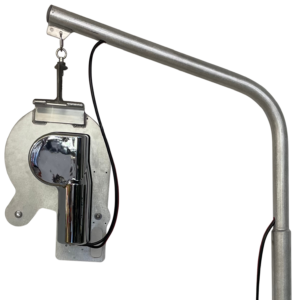
Mechanical pot pullers use electric or gas-powered motors to haul heavy crabbing gear up from deep water smoothly, reducing physical strain and improving boat safety. Pulling a heavy, weighted crab pot by hand from over a hundred feet down is exhausting and can drain your energy fast. A mounted crab pot puller lifts the load cleanly, protecting your back and your boat.
For serious harvesters, choosing between Gas Pullers and Electric Pullers depends on your boat size and power setup. It is important to note that gas pullers can be much more dangerous than electric pullers if proper education and maintenance are not done before using. Implementing a mechanical retrieval system makes managing multiple heavy traps efficient and safe. If you are looking into pot pullers, we suggest you check out our pot puller guide.
Key differences between electric and gas pot pullers:
- Gas Powered Pullers: utilize powerful Honda 4.0 horsepower motors for strong lifting capacity, but can be dangerous for untrained users.
- Electric Powered Pullers: offer quiet, efficient operation running directly off your boat’s battery system.
6. Crab Pot Buoys That Comply With Local Law
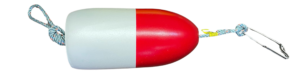
Compliant crab pot buoys are highly visible surface markers that must be properly labeled with your personal identification to meet state harvesting regulations. In Washington State, crab pot buoys must be half red and half white colored, be labeled with the user’s first and last name, and be marked with the address of the shell fishing license holder. We also highly recommend adding a good phone number to your buoy tag for easy communication.
Other Important Crabbing Gear:
Legal crabbing in Washington requires specific crabbing gear, including official rot cord, visible buoy identification, and an accurate crab measuring tool. Failure to measure your catch accurately or mark your buoys properly can lead to steep fines from fish and wildlife officers. Keeping a dedicated rigging kit with your crabbing gear keeps your trip stress-free.
Summary Of Crabbing Gear
| Gear Item | Primary Purpose | WA State Legal Requirement? |
| 1. Durable Crab Pots | Catches crab so you can pull them to the surface. | Yes. Must include 2 escape rings and a section held with rot cord so sea creatures can escape if gear is lost. |
| 2. Rigid Bait Boxes | Keeps bait safe from being destroyed by pests, and ensures scent trail lasts long enough for your catch. NOTE: McKay Crab pots come with a built in bait box/cylinder. | No. Highly recommended to prevent bait theft. |
| 3. Sinking Line | Connects pot to buoy while staying safely submerged. | Yes. Mandatory to prevent boat propeller entanglements. |
| 4. Lead Weights | Anchor traps to prevent drifting in heavy tides. | No. Essential for open or fast-moving Pacific Northwest waters. |
| 5. Mechanical Pot Pullers | Mechanically hauls heavy, weighted traps up from deep water safely. | No. Optional, but critical for saving your back and boat gunwales. |
| 6. Compliant Crab Pot Buoys | High-visibility surface markers used to locate your traps. | Yes. Must be half red and half white, and labeled with your full legal info. |
A Few Other Important Things to Know Before Crabbing:
Staying fully compliant requires checking active seasons and regional rules before every trip, as emergency closures can occur throughout the year. For the most up-to-date information on seasonal openings, marine area boundaries, and official licensing requirements, make sure to consult the Washington Department of Fish and Wildlife Crab Fishing Portal or website before heading out on the water.
Maintaining compliant gear is vital to preventing accidental overfishing and protecting non-target marine life. When gear is lost or swept away by strong currents, it can continue trapping and killing marine life for years. Ensuring your equipment meets compliance standards reduces gear loss, protects regional populations, and safeguards the marine ecosystem.
To understand the full impact of lost equipment and how to prevent it, explore the NOAA Marine Debris Program Guide on Ghost Fishing.
Choosing Reliable Crabbing Gear for Your Next Pacific Northwest Adventure

Investing in high-quality crabbing gear is the most effective way to ensure a safe, productive season on the water. Outfitting your vessel with durable pots, lead lines, and reliable mechanical pot pullers protects your investment and improves your overall catch efficiency.
Before your next launch onto the waters of the Olympic Peninsula or Puget Sound, make sure your boat rigging is up to the task. Browse our full lineup online or visit us in Brinnon to get your gear ready for local waters. For personalized assistance with your setup, please contact us directly to speak with an expert.
Frequently Asked Questions
What is the legal requirement for rot cord on Washington crab pots?
WDFW regulations state that crab pots must feature an opening laced with untreated cotton button-thread or twine no larger than size 120. This biodegradable escape cord must rot away within a few weeks if the trap is lost. This opening allows trapped marine life to escape freely from lost pots.
Why is lead line required for recreational crabbing gear?
Lead line is required by law to prevent floating rope from creating navigation hazards for passing vessels. Floating line can easily entangle boat propellers, causing severe engine damage or cutting your buoy loose. Lead line drops vertically to the sea floor, keeping the surface clear and protecting your gear.
Leave a Reply