
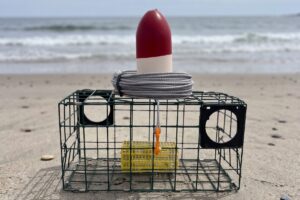
Crabbing in Washington waters requires a solid understanding of local tidal movements, high boat traffic patterns, and understanding state regulations. Setting out onto the Puget Sound or the Hood Canal without properly rigged gear often results in lost equipment and ruined weekend trips. High-visibility crab pot buoys serve as the critical link between your underwater hardware and the surface, keeping your gear retrievable even during aggressive tidal exchanges.
Investing in high-quality surface floats ensures your line stays visible to passing vessels and remains afloat when deep-water currents pull hard against your setup. Ensuring your gear is compliant with local rules is just as vital as making sure it physically stays attached to your line.
Table of Contents
WDFW Rules for Crab Pot Buoys
Recreational crabbers in Washington must follow exact state laws regarding the construction, visibility, and marking of all surface floats used on personal shellfish gear. The Washington Department of Fish and Wildlife gear rules enforce these standards strictly to maintain orderly waterways and differentiate recreational gear from commercial operations. Failing to meet these specific equipment rules can result in costly citations and the immediate removal of your fishing gear by marine enforcement officers.
State mandates specify that recreational shellfish gear markers must be constructed of a durable, solid material that remains fully visible on the surface. Using makeshift flotation devices like plastic milk jugs, oil containers, or household detergent bottles is illegal. These materials are difficult to see and prone to sinking under minimal pressure. Additionally, all crab pot buoys in Washington state must be colored half red and half white in order to be compliant with local rules. Before setting out on your next trip it is always best to check the color zoning restrictions to make sure you have the right color buoys for the type of shellfish you are trying to catch.
Each float must also be permanently and legibly marked with the operator’s first name, last name, and permanent mailing address. We also advise writing a phone number on the buoy for easy communication. This information should be written directly on the foam with a dark waterproof marker, or using an engraved tag, ensures authorities can identify the owner of the gear. If you share a boat with family members, remember that the name and address on the float must match the person holding the active shellfishing license on board.
| WDFW Buoy Requirement | Legal Specification | Approved Material |
| Construction | Must remain fully visible on the surface at all times | High-density molded foam |
| Durability | Non-crushable solid exterior that handles pressure | Commercial-grade closed-cell foam |
| Owner Information | First name, last name, and permanent address | Waterproof marker or engraved tag |
Rigging Techniques to Prevent Drift and Line Cutting
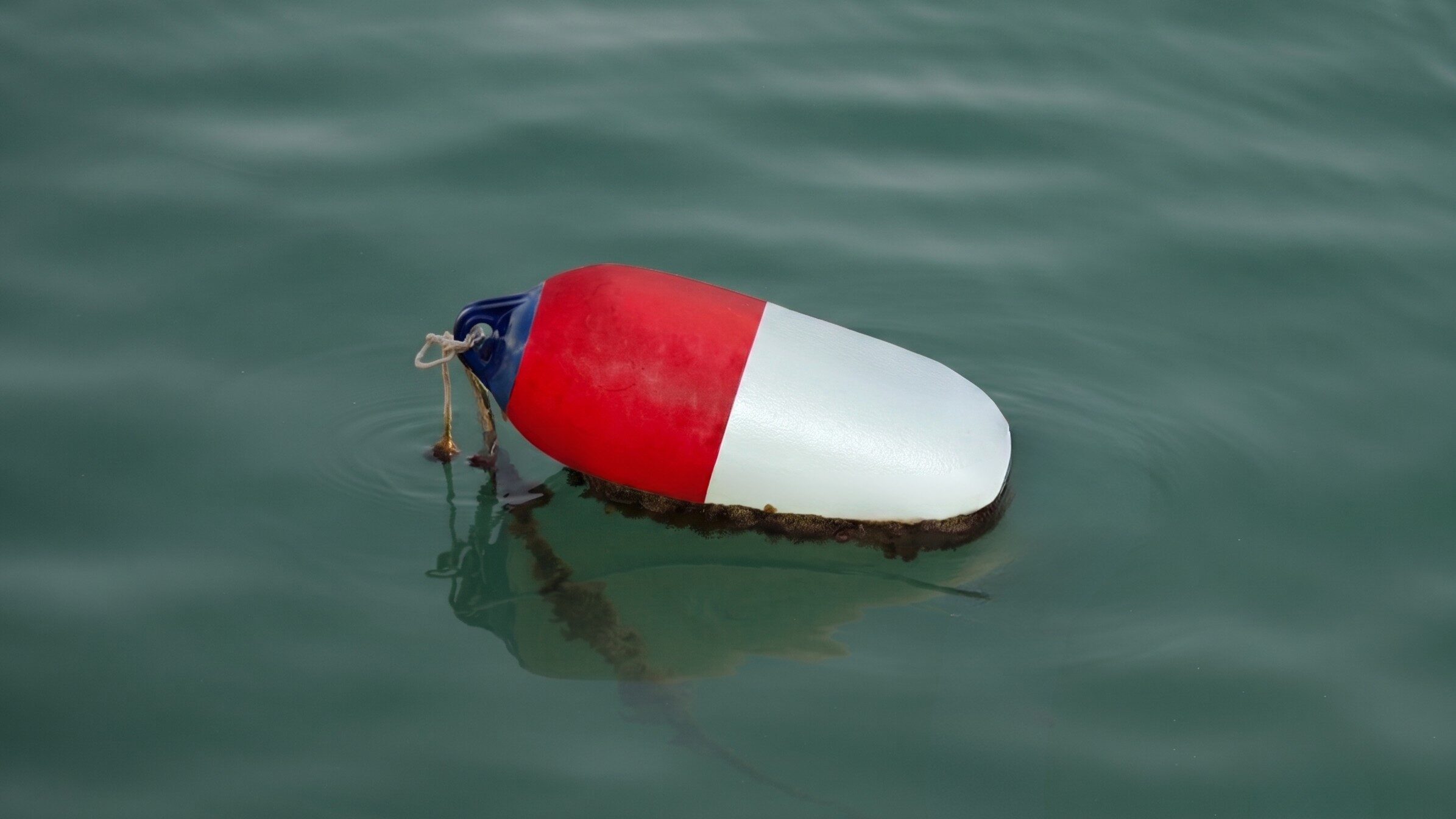
Losing equipment during the peak summer season is a problem that can be avoided with smart rigging of your crab pot buoys, the right placement of weight, and proper line length. Strong marine currents can pull a lightweight float completely under the surface, making it invisible until the tide turns. Boat propellers represent another major hazard, frequently chopping through floating slack lines that pool loosely on top of the water.
Using a heavy, weighted line or a dedicated lead line is the most effective way to keep your rope sinking straight down underneath the float. When the line drops vertically from the surface, it stays well clear of passing hulls and propeller blades, reducing the chance of accidental cut-offs. Marine experts at Washington State University’s Shore Stewards program emphasize that using sinking lines and properly securing traps and crab pot buoys can prevent lost gear and protect sea creatures.
Choosing durable, high-density foam floats is a crucial step when searching for commercial-grade crab pot buoys for sale. Cheaper, soft-foam alternatives can easily crush under intense deep-water pressure during extreme tidal drops, losing their buoyancy entirely. High-density models retain their physical shape and lift capacity even when submerged by fast-moving water columns in the deeper channels of the Olympic Peninsula.
Key Strategies to Keep Your Gear Safe:
- Line Scope Strategy. Always use a line that is at least one-third longer than the water depth you are fishing to account for tidal rises.
- Line Weights. We highly recommend always using weighted line to ensure the line does not float at the surface of the water where it could get cut.
- Buoy Sticks. Utilize a weighted PVC stick through the center of your float to keep your surface markers pointing upright in high-traffic zones.
- Dual Buoy Setup. Attach a smaller trailing float to your primary marker to provide extra visibility and additional lifting power in heavy currents.
Matching the Buoy to Your Overall Setup
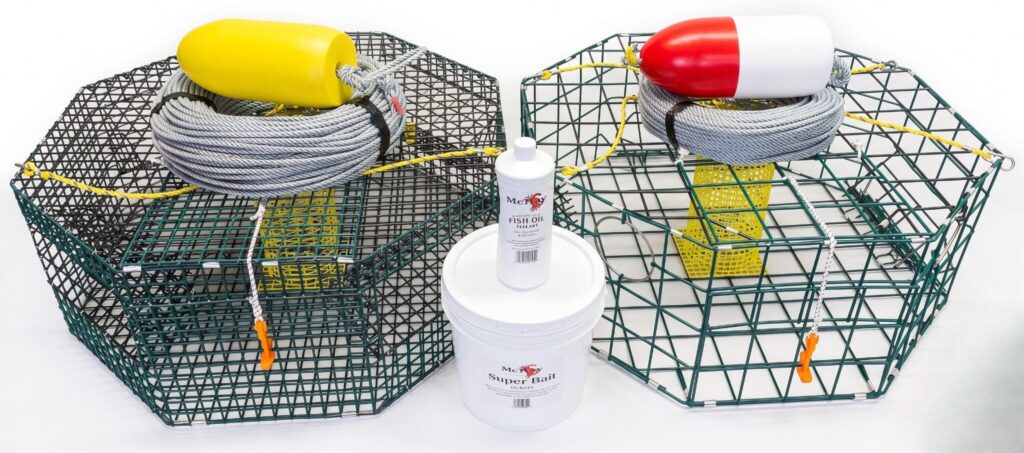
Crab pot buoys cannot function effectively unless they are properly matched to the physical weight and size of your underwater trap. Heavy-duty pots require substantial flotation capacity to prevent the entire rig from being dragged down into the mud during hard tidal exchanges. A balanced system ensures your surface marker stays visible while your trap remains firmly planted on the seabed where the crabs are feeding.
When dealing with large, commercial-style wire traps, you need equipment that can handle the physical strain of deep-water retrieval. Using heavy-duty crab pots helps anchor your position in strong currents, but it requires a stout rope and an appropriately sized float to match. If your trap is too light, a large float can actually lift the cage off the bottom and cause your entire setup to drift into deep shipping lanes.
Pulling these heavily weighted, deep-water setups by hand can be physically exhausting, especially when you are running multiple traps along the coastline. Integrating a mechanical crab pot puller into your boat’s setup makes retrieving properly weighted rigs effortless and highly efficient at the end of a long day. Matching your heavy-duty pots with a reliable hauling system ensures you can fish the most productive channels safely and comfortably all season long.
Selecting the right commercial-grade crab pot buoys and rigging them according to state regulations keeps your gear secure and helps prevent loss. Employing lead lines and high-density foam keeps your markers visible on the surface and safe from passing boat traffic.
Where to Purchase Crab Pot Buoys

Before heading out for the next major weekend opener, verify that your gear meets all current WDFW compliance rules. You can browse high-visibility marine hardware at McKay Shrimp and Crab Gear in Brinnon to pick up dependable, locally assembled rigs designed for the demanding environments of the Pacific Northwest.
Frequently Asked Questions
What are the structural requirements for recreational crab pot buoys in Washington?
Recreational crab pot buoys in Washington must be constructed of durable, solid materials that remain completely visible on the water surface at all times. Using random household plastic containers, juice bottles, or unapproved hollow plastics is illegal. Markers must also be labeled with the owner’s legal contact details.
Why do I need to use a sinking lead line for my surface buoys?
Using a sinking lead line prevents your rope from pooling loosely on top of the water where boat propellers can easily cut it. It forces the line to drop straight down vertically beneath the crab pot buoys. This simple rigging technique protects your gear investment and prevents lost traps from ghost fishing in local marine waters.
How much extra line should I add to my crab pot rigging?
You should always add at least one-third more line than the actual depth of the water you are fishing. This extra length, known as scope, accounts for the dramatic tidal rises and fast currents common in the Puget Sound. Proper scope keeps your crab pot buoys from being pulled completely under the water during heavy tides.