
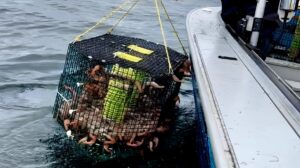
Summer shrimp and crab fishing in the Pacific Northwest brings some of the most rewarding days on the water, but it also demands a lot from your equipment and your body. Dropping shrimp and crab pots into deep water across the Puget Sound or the Hood Canal means you eventually have to haul that gear back up, often from depths exceeding 100 feet. When you factor in strong tidal currents and the weight of a full catch, doing this by hand quickly turns an enjoyable day into back-breaking labor. Installing a dedicated crab pot puller on your vessel changes the entire dynamic of your trip, turning a grueling physical chore into a smooth, safe, and efficient operation.
Table of Contents
Why Mechanical Advantage Matters on Your Shrimp & Crab Pot Puller
A shrimp and crab pot puller is a motorized marine winch system designed to mechanically retrieve weighted shellfish traps from the ocean floor. This device mounts securely to a boat, utilizing either an electric motor or a small gas engine to rotate a sheave that grips and pulls the pot line. This minimizes manual pulling and heavy lifting which protects the captain’s back, streamlines trap retrieval, and helps keep slack line safely away from the boat propeller during haul-in.
The physical strain of hauling weighted traps by hand can cut a crabbing or shrimping trip short. A standard recreational trap weighted down to stay on the bottom can be quite heavy before you even count the weight of the trapped shrimp or crabs. Pulling that dead weight through a moving water column creates massive resistance.
Timing is everything during the summer season. Crabs forage actively during specific tidal windows, particularly around slack water when currents slow down. If you are retrieving your traps by hand, you lose valuable fishing time because the process is slow and difficult. A mechanical shrimp and crab pot puller helps retrieve your gear, allowing you to check more traps during ideal tides as outlined by RipTideFish’s Puget Sound Crabbing Guide.
Pot Pullers for Shrimp vs. Crab
A mechanical puller will save your back whether you are catching shrimp or crab, however, a pot puller is especially necessary for shrimp catching. Local crabbing depths in the Pacific Northwest vary by region. You can find crabs in 20 to 50 feet of water in shallow bays, but the standard benchmark in Marine Area 12 (Hood Canal) is 75 to 100 feet. Shrimp are caught much deeper, requiring you to drop gear between 180 and 325 feet down depending on the tides and area where you are fishing.
We advise that fishers add weight to their pots to account for local currents. For the calmer waters of the Hood Canal, adding 5 to 12 pounds of weight inside the pot should keep it in place. If you fish the extreme currents of the Straits, you should pack 20 to 30 pounds of weight to keep the pot pinned to the seafloor. Hauling that much dead weight back up from 300 feet is why a steady mechanical puller is essential equipment for local waters.
Comparing Electric vs. Gas Pot Pullers
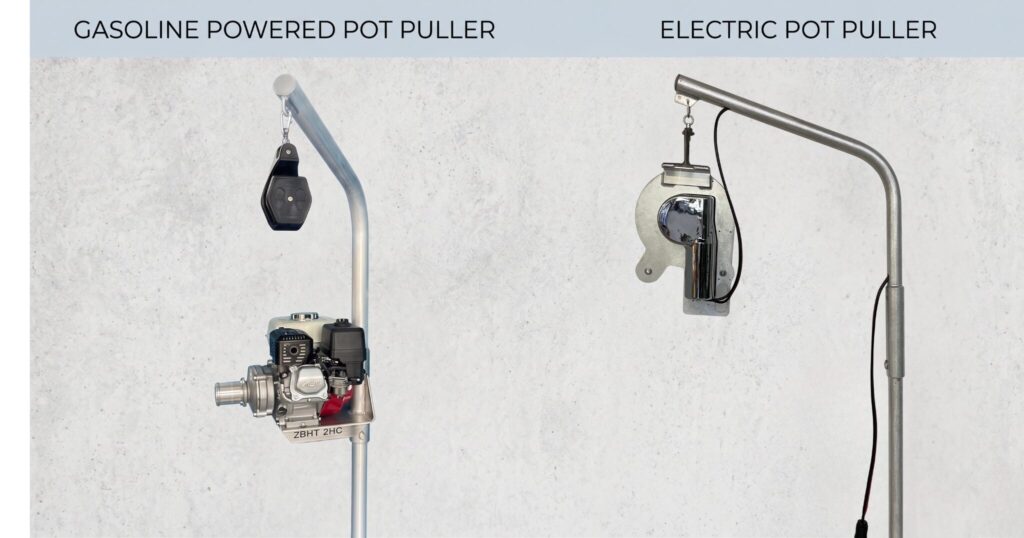
Choosing between power sources depends entirely on your boat size, frequency of use, and how much weight you intend to haul. Both systems offer distinct advantages for Pacific Northwest water conditions.
Gas Pullers
These machines utilize small, self-contained internal combustion engines. Gas-powered pot pullers offer immense raw torque and completely independent power sources. Because they do not draw from your boat batteries, they are best suited for heavy commercial operations or long weekend trips without shore power.
However, gas pullers are quite loud and carry high safety risks if they are used improperly, including the potential for severe injuries. If you are looking into a gas model, it is critical to do your homework, understand the risks, and ensure you purchase a model that includes gear reduction to handle the power safely.
Electric Pullers
For the vast majority of recreational boaters in the Olympic Peninsula region, electric shrimp and crab pot pullers are the standard choice. They mount cleanly, operate with minimal noise, and eliminate the need to store flammable gasoline cans on your deck. Modern electric systems typically provide more than enough pulling power to handle recreational gear all day long on a standard marine battery setup.
| Feature | Electric Crab Pot Pullers | Gas-Powered Pot Pullers |
| Power Source | 12V Marine Battery System | Heavy-Duty Gas Engine |
| Noise Level | Low and quiet operation | Moderate engine noise |
| Maintenance | Minimal (rinse after use) | Regular engine maintenance |
| Deck Space | Compact footprint | Larger physical footprint |
| Best Suited For | Recreational sport boats | Commercial or heavy recreational boats |
Key Recreational Considerations Before Buying
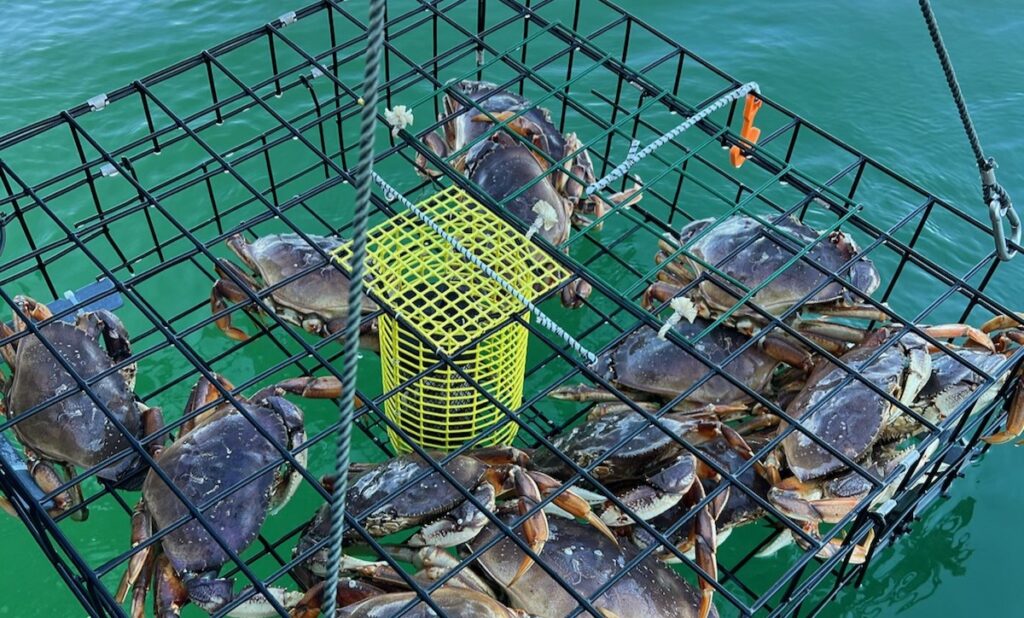
Selecting the right mount and type of puller ensures long-term safety and operational efficiency. The choice depends on the depth you fish and how often you use the gear.
For casual use, entry-level electric pullers from brands like Scotty, Brutus, or Pacific Pro are common for crabbing or shallow-water shrimping. These models typically secure to a bracket on top of the gunnel. While convenient for light duty, they can struggle with deeper, more demanding pulls.
For greater reliability, a heavy-duty davit system is a better choice. These pullers use a strong davit arm that mounts using a combination of a gunnel mount and a floor-level kickplate to distribute the pulling force safely. This design provides dependable power that will not cut out under pressure. Additionally, the extended davit arm holds the pulling point outward over the water, which can keep the wet line and heavy trap from banging against your hull sides as the pot breaks the surface.
Durability and Line Speed
Durability can dictate your success on the water. Look for pullers assembled with marine-grade components that resist salt corrosion over years of exposure. Line speed is not an important factor when looking for a pot puller, it is more important to have a steady pull than a fast yank. If a crab or shrimp pot is pulled up too fast it can shake the catch out of the trap, and rattle the doors of the pot open.
A controlled pull also lets you coil the incoming shrimp and crab line cleanly into a storage tub. Keeping your lines organized prevents dangerous tangles and accidental line cuts which lead to lost gear. The Northwest Straits Foundation emphasizes you avoid accidentally cutting lines that are in the water to reduce the number of lost traps in our local waters.
Selecting Your Next Upgraded Marine Setup

Upgrading your boat with a dedicated mechanical shrimp and crab pot puller makes your time on the water safer, faster, and far more relaxing for your friends and family. Investing in professional-grade equipment ensures that your gear functions perfectly when the shrimp or crab tide hits its peak.
McKay Shrimp and Crab Gear assembles high-quality crab pots in its manufacturing plant in Brinnon, WA, these crab and shrimp pots are designed specifically for our local Pacific Northwest conditions. Whether you need a complete replacement system or just want to browse our specialized marine harvesting accessories, our team provides the practical expertise you need. Stop by our shop along Highway 101 or check out our contact page to get fully rigged for your next voyage!
Frequently Asked Questions
What is the difference between an electric and gas crab pot puller?
An electric puller runs quietly off your boat’s battery system and starts instantly. A gas puller uses a small internal combustion engine to deliver higher raw torque independently of your boat’s electrical system, making it ideal for heavy commercial-style traps. It is important that buyers looking at gas pot pullers do their research to understand the dangers and risk of operating a gas pot puller before purchase.
How do I maintain a crab pot puller after a day on the saltwater?
You should thoroughly rinse the entire unit with fresh water after every trip to remove salt crystals. Pay special attention to the sheave, power switches, and mounting brackets, and periodically check electrical connections or engine oil levels depending on your specific power model. It is always best to check your specific model’s user manual to ensure proper maintenance.
Can a standard recreational boat battery handle an electric shrimp and crab pot puller?
Yes, a standard deep-cycle marine battery can typically handle the intermittent power draw of pulling recreational traps throughout the day. It is common practice to keep the boat’s main engine idling while operating the crab pot puller to ensure the alternator maintains stable voltage.